

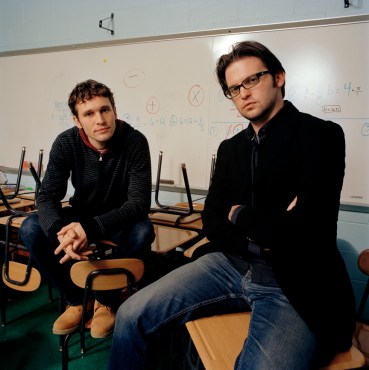


Alex: Initially, we started writing songs because we wanted to make learning more fun and we saw an opportunity to use music to achieve that. Back in 2003, we had both just finished college ourselves and we remembered how tedious studying for the SAT had been. So we set out to make songs that would have helped us when we were students. As we started sharing the demo songs with teachers and students, the response was phenomenal. We’re still defined by that original idea of making learning fun, but the program has evolved to encompass a more ambitious goal—namely, to create resources that motivate, engage and teach students in a way that will impact the way they learn and achieve. As we like to say, a motivated student is a more successful student. We created Flocabulary to foster a love of learning in students of all backgrounds.
Victor: What does the name mean?


Victor: What is it? Who created it?


Victor: What does it do? What are the benefits?
Alex: First and foremost, Flocabulary is designed to motivate kids and help them make connections to academic content. We think of a song or video as a spark to start the learning process. After students listen, they have the opportunity to expand what they’ve learned by doing our sequence of exercises that follows each song. That’s where our research-based teaching strategies come in to build on the
engagement that the songs and videos set in motion. The benefits of being engaged are obvious. A student learns at their full potential when they’re engaged and invested. But we have also seen broader benefits that extend into standardized testing. Students who used The Word Up Project for six months saw dramatic increases in their vocabulary proficiency and in their state test scores. Even more remarkable was the fact that we saw the most profound effects with low-income students.
Victor: How is it unique from other similar products/services? What companies do you see as in the same market?
Alex: We feel as though we’re one of the most engaging programs out there for K-12 education. We place a lot of emphasis on producing music that kids (and teachers) will enjoy listening to. Humor is a big part of our approach to creating content, but we take our pedagogy seriously, too. I often like to say we’re the intersection of Isabel Beck and Jay-Z. Another one of our core beliefs is that a student is more willing to learn when she feels that her interests and passions are represented in the classroom. By utilizing hip-hop, we’re creating more common ground between academic content and the things kids love outside of school.


Alex: We started making music in late 2003 and haven’t really slowed down since. The company has gone through many phases, from a consumer product in bookstores to a standards-based curricular program and now an online subscription. One thing that has worked well for us is staying light on our feet and not being afraid to change course when opportunities come up. We also made a point of growing organically so we didn’t lose a grip on the look and feel and sound of what we were doing.
Blake: We’ve also had the chance to work with some amazingly talented people, including Grammy-winning producer 9th Wonder. He called us up one day and was so excited about our mission that he wanted to be a part of it. Coming from a guy who works with Jay-Z and Ludacris, that meant a lot to us. It’s a wonderful and surreal experience to work with some of your musical idols on a project that you consider your baby.
Victor: Where did it originate? Where can you get it now?
Blake: As of this summer, you can access all of our content via a digital subscription on flocabulary.com. But it’s been a long road to get here.
Alex: Our first product – a book and CD that taught 500 SAT words – was published for the retail market and was available on the shelves at Barnes and Noble, Borders, etc. After giving that a try for about a year, we came to the realization that the kids we wanted to reach with our music couldn’t necessarily afford to walk in to a bookstore and drop $18 on a learning product. So we made a shift in our strategy and started developing products for the classroom. This involved a catalog, sales reps, pilot programs, etc. It really changed our business, but all of a sudden we were able to reach thousands of kids by selling the program to the schools and districts. For a long time, schools could buy our books and CDs through our catalog and through distributors we worked with. The great thing about the new subscription program is that it’s even more affordable and utilizes classroom technology that is getting more popular every year.
Victor: How much does it cost? What are the options?


Victor: What are some examples of it in action?


Blake: We also visit schools and programs to work with teachers and students. It’s one of the best parts of the job. The ultimate goal is not only for students to listen to Flocabulary songs, but to create their own. Over the years, we’ve heard some absolutely amazing rhymes. I was teaching a lesson on metaphor once and I heard this rhyme from a 5th grader: “I’m sharper than a broken piece of glass that went to MIT.”
Victor: Who is it particularly tailored for? Who is it not for?
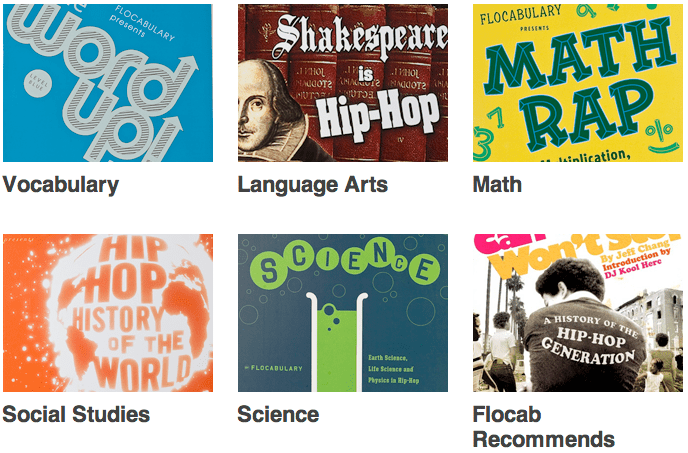
Blake: Exactly. We create our programs for anyone who likes music, humor and storytelling, and also needs to learn. The good news for our business is that 99 percent of students fit this criteria.
Victor: What are your thoughts on education these days?

Blake: We’re all about raising test scores. And our programs do that. But fundamentally we need to be inspiring students to become life-long learners. And constantly cramming for tests doesn’t make anyone love learning.


Victor: What sort of formative experiences in your own education helped to inform your approach to creating Flocabulary?

Victor: What is your outlook on the future of education?

Victor: What else can you tell educators and other leaders in and around education about the value of Flocabulary?
Blake: Some educators will understand the value of Flocabulary off the bat. For the incredulous: pick one of our free songs and videos and play it for your students. Their reaction will be a better answer to this question than any I could give.
——-
Victor Rivero tells the story of 21st-century education transformation. He is the editor-in-chief of EdTech Digest, a magazine about education transformed through technology. He has written white papers, articles and features for schools, nonprofits and companies in the education marketplace. Write to: victor@VictorRivero.com
